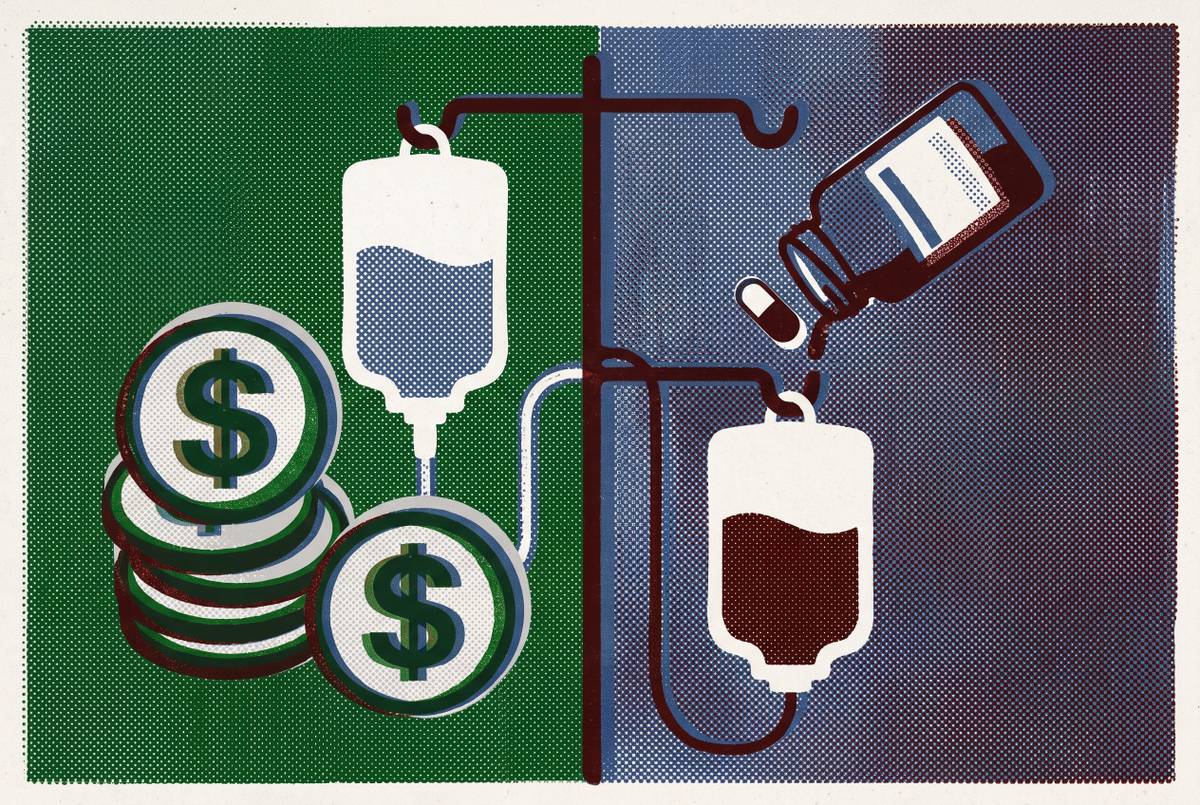

Payer Mix Optimization Strategies for Infusion Practices
Reimbursement, denials, and contracting all shift by payer—and most practices ignore the difference.
Vera Calloway
End-to-end infusion billing requires tracking drug, authorization, and payer rules together.
Reimbursement, denials, and contracting all shift by payer—and most practices ignore the difference.
High-dollar infusion claims demand flawless benefits verification before treatment starts.
Infusion practices need J-code-specific contract language to protect margin.
Infusion billing contracts often hide gaps in drug-cost coverage until denials pile up.
Infusion billing's true cost goes far beyond staff salaries, denials, and forgotten authorizations.
Infusion billing stacks complexity that demands specialty-specific revenue cycle discipline.
Discount drug purchasing requires meeting strict eligibility rules and tracking patients carefully.
Knowing which model fits your practice depends on your payer mix and tolerance for inventory risk.
Medicare's narrow Part B benefit leaves most home infusion providers unable to bill profitably.
Practices buy drugs upfront and collect reimbursement later, creating cash flow and margin risk.
Timing and documentation rules separate billable IV push codes from claim denials.