Contractual Versus Operational Underpayments in Infusion Billing and Why Recovery Tactics Differ
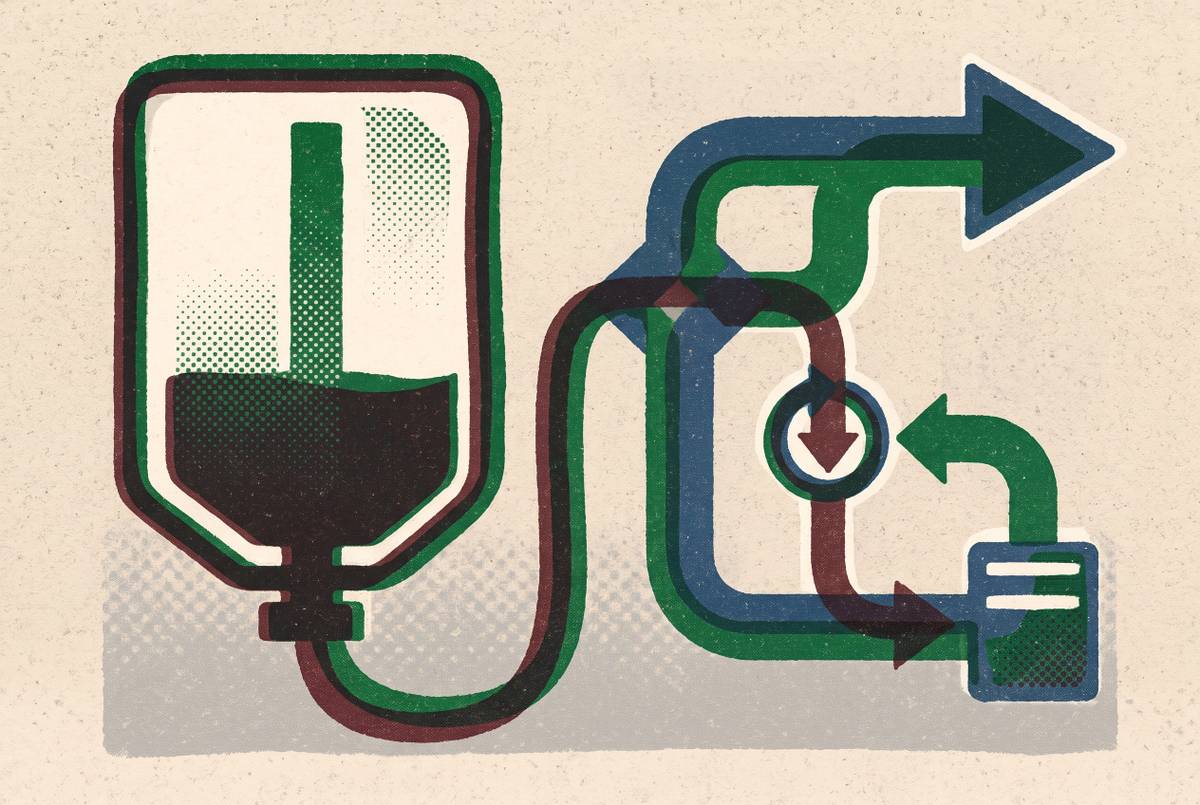
Contractual and operational underpayments need different recovery paths based on root cause.
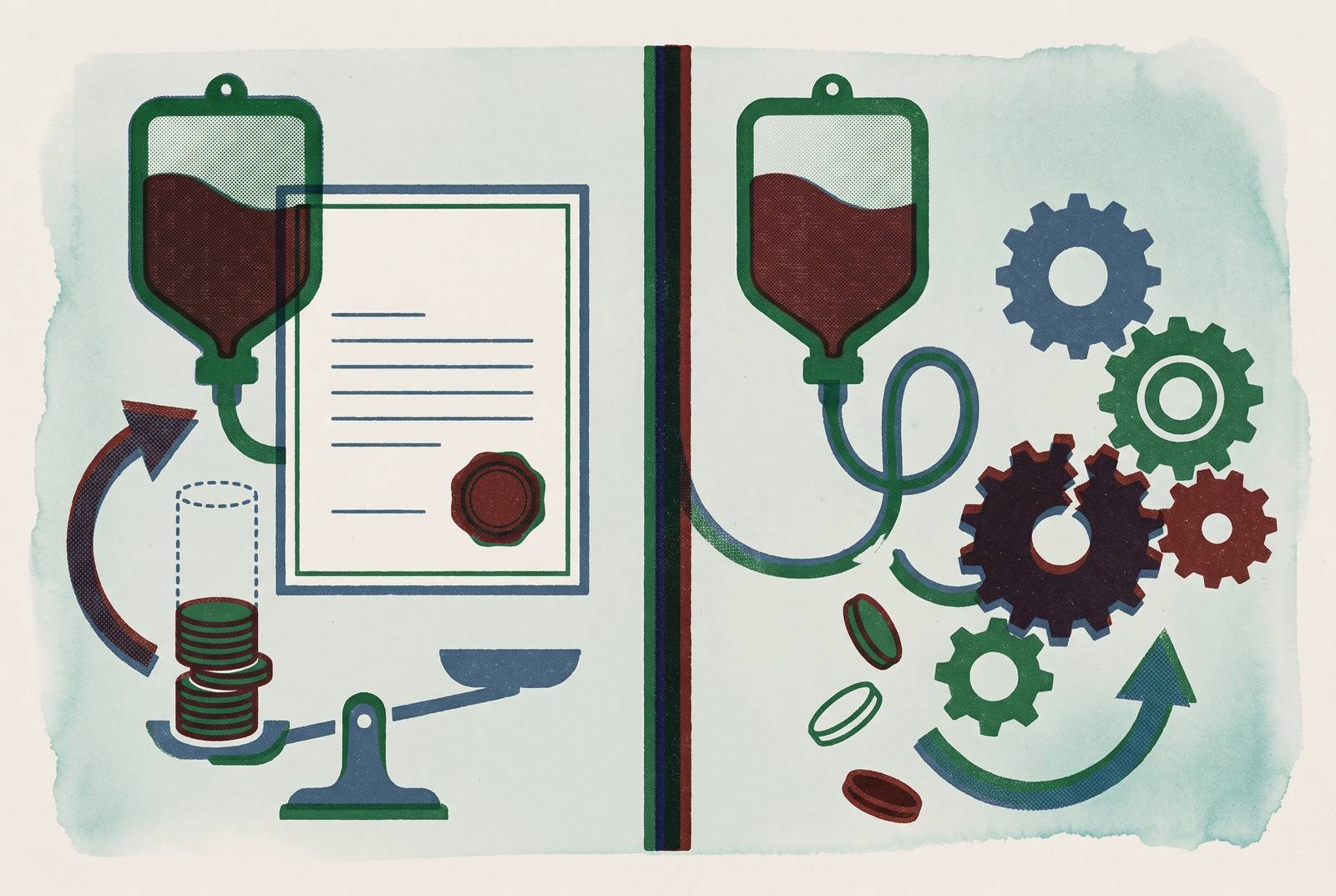
Contractual underpayments need a dispute grounded in the signed agreement, while operational underpayments need a corrected rebill supported by the drug administration record. Both can show as paid, so recovery starts with checking each service line to find the root cause before deciding where the work goes.
Why infusion underpayments stay hidden while denials get worked
The billing team has worked every denial, posted every payment, and closed the month believing the accounts are clean. Yet some of those closed claims are wrong. The payer sent money, but less than the practice was entitled to receive. Nothing in the standard denial queue calls attention to the difference. The work looks finished because the system records payment without verifying its accuracy.
Denials have clear codes and show up on standard reports. Underpayments take a quieter route through payment posting. When a payer reports the shortfall as a contractual adjustment, posting staff may adjust the balance without checking whether the agreement permits that reduction. A recoverable balance then becomes an accepted write-off.
A single encounter can generate charges in the thousands to tens of thousands of dollars, so even a small percentage variance on one line can affect cash flow. The practice has already delivered the treatment, but the closed account gives staff no reason to investigate the missing revenue. A remittance establishes the amount paid while leaving the amount owed unverified.
What contractual and operational underpayments actually are, and how they differ at the root
“Underpayment” describes the result of the loss. A contractual underpayment occurs when the claim was correctly coded and submitted but the payer reimbursed less than the signed contract requires. The fault lies in contract interpretation, fee schedule application, or adjudication. For example, a payer may apply an outdated fee schedule to a correctly billed biologic or miss a provision requiring separate payment for a high-cost drug. Changing the claim would not fix either problem.
An operational underpayment starts with the claim itself. The submitted J-code, unit count, modifier, or NDC was wrong, and the payer paid what that submission described. Missing Modifier JW for eligible unused drug from a single-dose vial is one infusion example. Another is a charge master conversion that understates the billable units for a biologic. The contract may have been applied correctly to an inaccurate account of the treatment.
Group code CO and reason code 45 can appear with both a valid contractual write-off and a payment below the contracted rate. Likewise, bundling or downcoding can reflect an error introduced by the practice or by the payer. Recovery depends on identifying where the mistake began. A wrong J-code unit count may leave a shortfall that looks like a rate error, but fixing it still requires a change to the claim.
Why the same remittance surface hides two problems that need opposite fixes
Because both failures can look like an ordinary paid claim, a team that works only from the remittance can choose the wrong remedy. Resubmitting a correctly built claim leaves the disputed contract rate untouched. Disputing the contract also leaves a wrong unit count unchanged. Each response addresses the wrong side of the transaction. That is why combining all short payments into one recovery category is more than imprecise bookkeeping.
A contractual variance requires an independent calculation of the expected allowed amount using the signed agreement and applicable fee schedule. The dispute must identify the provision that the payer failed to apply, such as a drug carve-out or modifier reimbursement rule. An operational variance requires comparison of the submitted claim with the administration record and charge master. Its recovery path is a corrected rebill. Evidence that establishes one failure does not establish the other.
Most commercial payer contracts set a window for disputes, and time spent overlooking the payment or pursuing the wrong remedy consumes that opportunity. If the practice spends weeks treating a unit error as a contract dispute, it may have little time left for the proper correction. When treatment repeats, the delay gets worse because the same mistake can affect more visits before the error on the first visit is fixed. Recovery queues therefore need to distinguish variance disputes and corrected rebills from denials, patient balances, and accepted write-offs.
How infusion billing creates conditions where both failure modes operate simultaneously
Infusion is not simply general billing with larger charges. In buy-and-bill biologics, the J-code descriptor sets the billable unit, which is not necessarily the dose or the vial. A wrong conversion in the charge master can repeat across a monthly or bi-monthly treatment course.
Modifier JW supports payment for eligible unused drug from single-dose vials, so its use depends on an accurate record of administration and waste. For expensive biologics such as rituximab, infliximab, or trastuzumab, missing the modifier where it applies can leave revenue unbilled. The payer has not necessarily broken the agreement. The submission may simply omit a payable part of the encounter.
At the same time, payer-side rules create contractual exposure. CMS updates the Medicare Physician Fee Schedule each January, and payment under many commercial agreements is based on a percentage of that schedule. A payer that uses last year’s rates can keep underpaying current claims, while a missed drug carve-out can lower payment even when every unit on the claim is correct. High-cost biologics also draw scrutiny of dosage, wastage documentation, and medical necessity. With all those checks in play, the cause of a low payment stays unclear until the team has checked both the claim and the contract terms that apply.
How do infusion billing teams detect, classify, and route underpayments?
The process starts with a check of the expected allowed amount against the remittance for each service line before the account is closed. Claim totals are not enough for this check. An overpayment on one line can offset an underpayment on another, leaving a total that looks correct. The comparison needs current contract terms, including the fee schedule version, modifier rules, carve-outs, and any “lesser of” clause. Keeping a signed agreement as a PDF alone does not make its terms ready to use in reconciliation.
Once a variance appears, the team needs to find its root cause before trying to recover payment. The team should compare the submitted units, modifiers, J-code, and NDC with the administration record and charge master. A claim-building error goes to the operational path. If those parts of the claim are correct but payment is less than the contract requires, the variance goes to the contractual path. An unresolved cause stays unclassified until the evidence supports routing.
Recurring claims should also be reviewed as a series. For a patient receiving monthly infliximab, the pattern across visits can reveal a repeated conversion error or repeated payer misapplication that a single claim does not explain. The process must track each payer’s recovery deadlines from the remittance date, regardless of when staff notice the shortfall. It also needs infusion-specific judgment about J-code descriptors, Modifier JW eligibility, and biologics carve-outs. Without that knowledge, the team can get even the expected payment wrong and send otherwise orderly work down the wrong path.
The two recovery workflows, and what each one requires to succeed
For a confirmed contractual variance, the recovery package should pair the executed contract or fee schedule addendum with the remittance and a service-line calculation of the shortfall. The dispute should name the provision and rate version that apply, along with the effective date. The evidence must show that the payer processed the correct claim at a rate the agreement does not support. This is contract enforcement.
If the initial dispute is rejected or ignored, escalation belongs with the payer’s provider relations or contract management team. Success is getting back the payment owed under the agreement. That recovery does not require the practice to generate another encounter. A documented pattern can also support later contract negotiations, including pursuit of higher rates on important CPT codes or removal of unfavorable “lesser of” terms.
For a confirmed operational error, the recovery package should support a corrected claim that has the right J-code units, modifiers, or NDC information. The evidence comes from the drug administration record, the corrected charge master entry, and documentation that shows Modifier JW eligibility when it applies. The record must establish what was administered and any eligible unused drug. The corrected rebill remains subject to the payer’s timely filing rules, which may leave little room if the first claim was filed near the deadline.
For patients who return for treatment, the team should check that the same error was made on every affected visit before correcting the treatment series in bulk. Correcting the charge master addresses the source of the error. Follow-up and escalation then use the standard claims channels, supported by the corrected billing and clinical record. Both workflows need a way to track deadlines, keep documentation, and plan follow-up, but each needs its own evidence and contacts at the payer. A single undifferentiated underpayment queue erases those differences before the recovery request is even built.
Why generic RCM infrastructure cannot reliably perform this classification at infusion scale
Treating a variance flag as a recovery decision leaves its cause unresolved. General-purpose RCM tools can show when payment is below the expected amount without showing whether the J-code units were wrong or the payer used an outdated fee schedule. Classification still requires infusion-specific judgment about the claim and the contract. Software alone does not supply that judgment. The gap appears when nobody in the workflow owns the comparison between those two sources of truth.
The team must track which fee schedule version applies, when relevant updates take effect, and whether the payer’s adjudication reflects them. Coding knowledge must connect the J-code descriptor, wastage eligibility, and NDC documentation to the actual treatment record. Neither discipline can substitute for the other in recovery. A contract specialist working from wrong units can calculate the wrong expectation, while a coding review alone cannot establish that a payer honored a carve-out.
One payer may repeatedly use outdated rates for a biologic, another may bundle separately payable administration services, and another may misapply a high-cost drug carve-out. An infusion denial management and underpayment recovery workflow needs to organize recovery around the specific payer rule and root cause. That gives the team a basis for choosing the evidence, correction, or contractual argument instead of restarting the diagnosis with every claim.
For a practice evaluating its RCM operation, the diagnostic question is direct.
Does the recovery workflow separate contractual variance disputes from corrected rebills before routing, and does the team have current service-line contract terms for every commercial payer?